View product
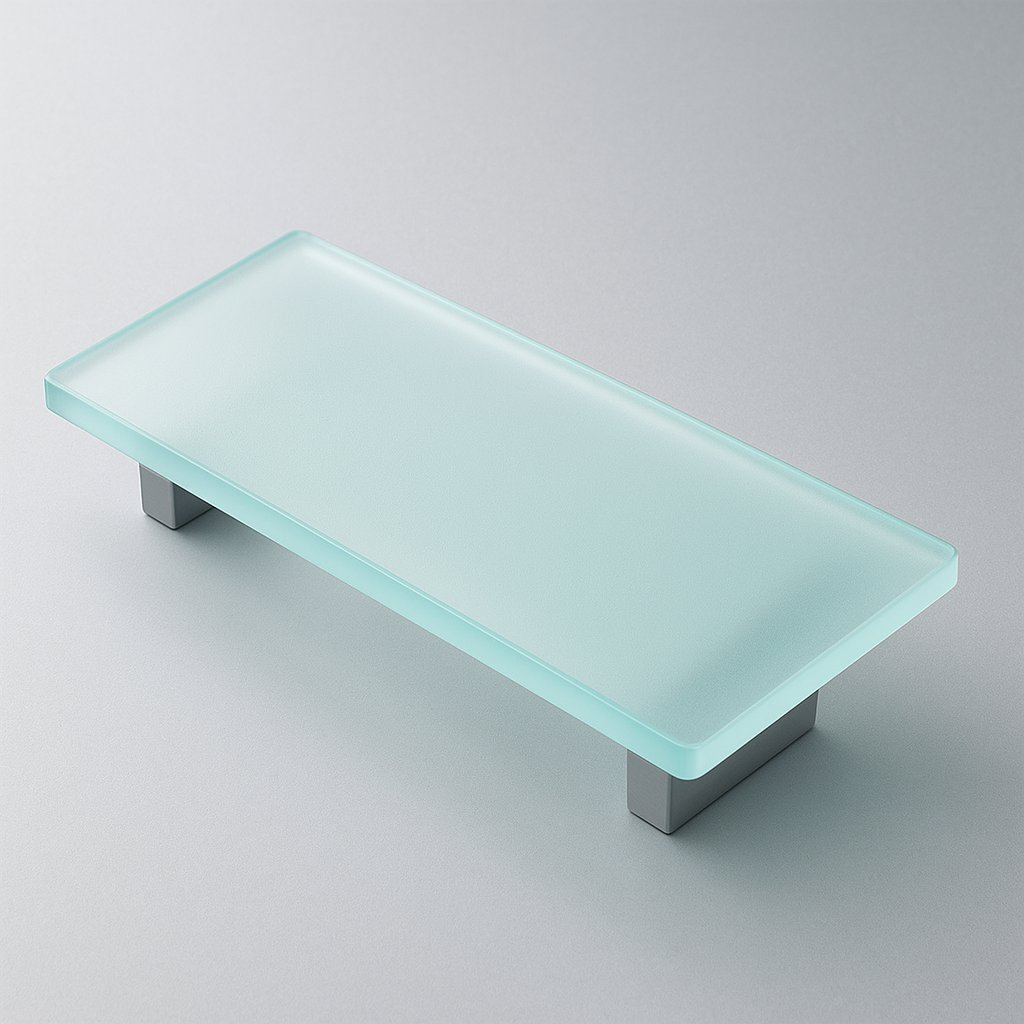
Frosted Floating Glass Shelf
A softly diffused shelf surface with polished edges and paired wall brackets for a quieter visual finish.
View productAfter selection
A clear view of the edge, support points and surrounding space matters from unpacking onwards. These practical habits help preserve the appearance of glass shelves and tabletops without making unsupported claims about a particular installation.
View product
A softly diffused shelf surface with polished edges and paired wall brackets for a quieter visual finish.
View product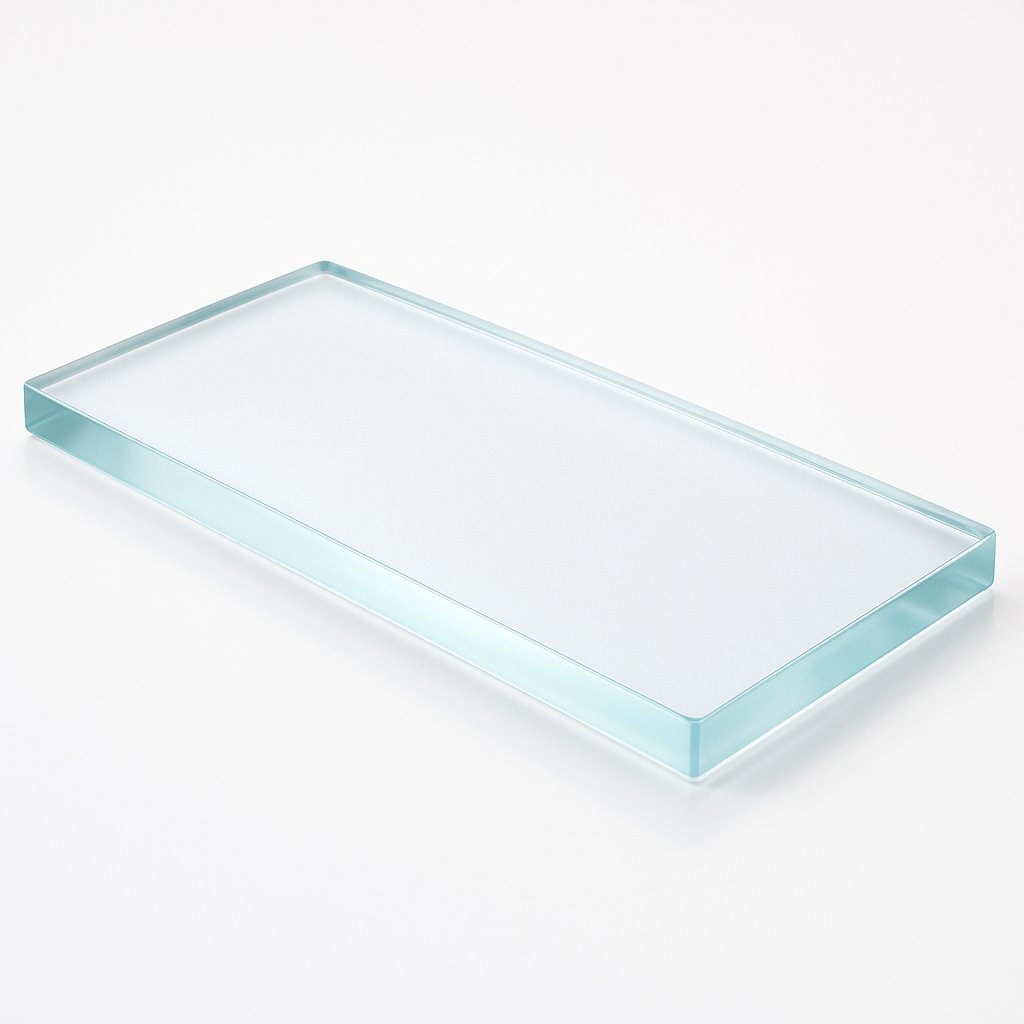
View product
A clear rectangular top with polished edges in fixed lengths for desks, dining tables and work surfaces.
View productPrepare a clear, padded area before unpacking so the product does not need to be moved between hard or cluttered surfaces. Keep the listed dimensions in mind, use more than one person where the size or weight makes that sensible, and avoid resting an exposed edge directly against a hard floor or wall.
Inspect the intended support arrangement before positioning. Shelf brackets should sit as planned with fixings appropriate to the wall, while tabletops need a stable, level and compatible base with suitable interface pads between hard support points and the glass.
Routine cleaning should be calm and simple. Remove loose particles first, use a soft lint-free cloth and apply a suitable glass-cleaning product to the cloth rather than flooding edges, brackets, pads or nearby furniture.
Tint and texture change the cleaning approach slightly, even when the basic handling principles stay consistent.
Use overlapping passes with a clean lint-free cloth, then inspect from more than one angle for remaining marks.
Work evenly across the diffused surface and avoid abrasive pads that could leave a visibly inconsistent patch.
Dust and fingerprints can be more apparent against the darker plane, so remove particles before wiping to reduce drag.
Clean the perimeter gently and avoid hard objects contacting the edge during movement, storage or rearrangement.
Make sure the shelf or top is properly supported and that nothing around it will move during cleaning.
Use a clean soft cloth to remove dust or grit before introducing moisture or making repeated wiping passes.
Put an appropriate glass-cleaning product onto the cloth and keep excess liquid away from fittings, pads and furniture joints.
Finish with a separate lint-free cloth, working to the perimeter and checking the surface under natural room light.
Use suitable protective interface pads and confirm that the base provides stable, level and compatible support for the selected top.
Applying a suitable cleaner to the cloth gives better control and helps limit liquid around brackets, edges and adjacent finishes.
Inspect the shelf and its support periodically and whenever you notice movement or change. The appropriate frequency depends on the location, wall and use.
Do not proceed with placement. Keep the packaging, document the condition without unnecessary handling and contact [email protected] with the order details.
Send the product name, selected variant and concise question so the catalogue details can be considered in context before an order request.
Related products
A few catalogue examples that connect the guidance, process, or service topic to the actual storefront.
A softly diffused shelf surface with polished edges and paired wall brackets for a quieter visual finish.
From £55.00
View product
A clear rectangular top with polished edges in fixed lengths for desks, dining tables and work surfaces.
From £129.00
View product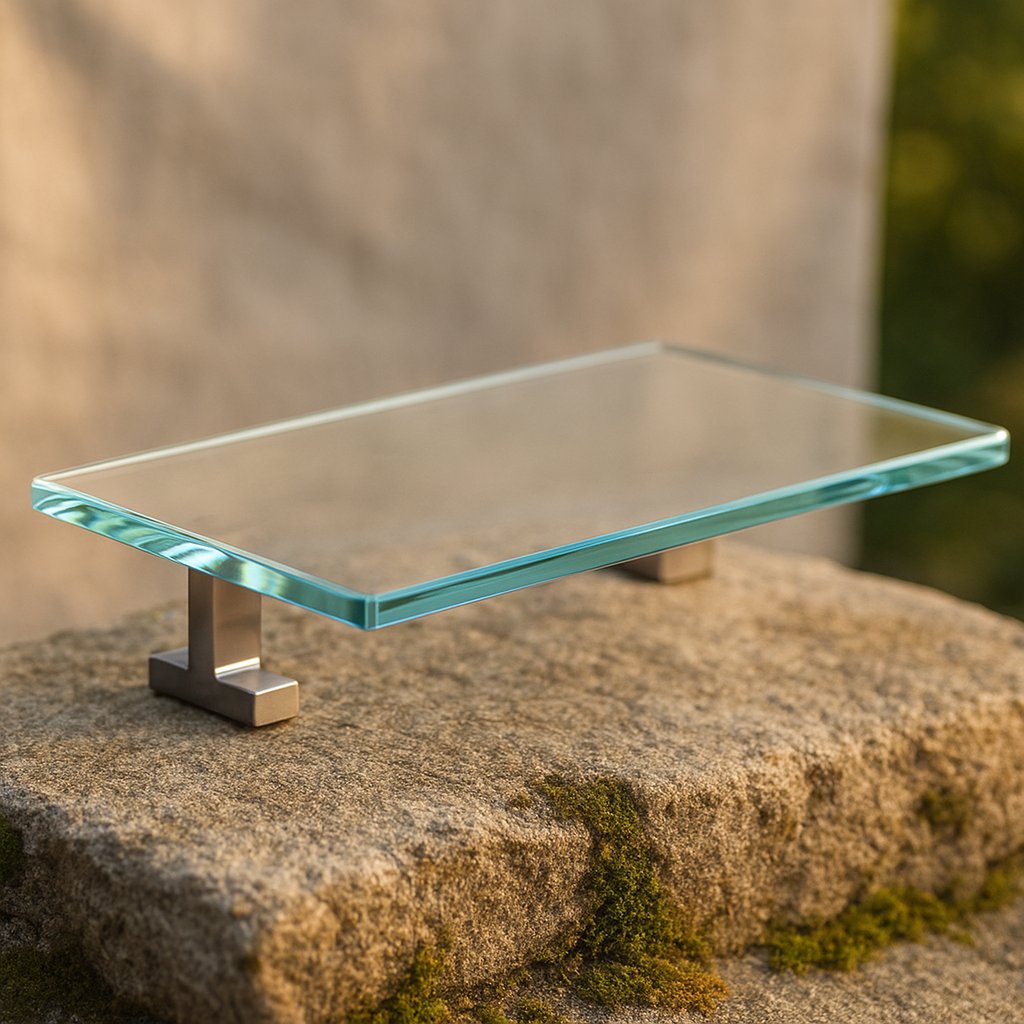
A clear rectangular shelf with a polished edge and paired wall brackets in selected fixed widths.
From £49.00
View productBasket
0 items in cart
Your cart is saved in this browser until you clear it. Need help now? Contact us on +44151 216 9564.